
Last week I threw my back out, and for the next couple of days I worked on recovering from my back spasm quickly in bed. For those couple of days I had to hold back on driving my kids to their activities, cooking, socializing, and sitting up to take client appointments. The hard part about being laid up in bed (thankfully I am now recovered) is the post-traumatic stress or PTSD creeping up from when I was bedridden for a year with neurological Lyme disease and chronic fatigue after being bitten by a poisonous spider. This is what today’s blog is about – the mental and emotional hurdles of healing.
Remembering the Past
I used to be bed ridden with chronic fatigue- sick and unable to function at all. It was hard to go to the bathroom, take a shower, or even walk to my kitchen. It was hard to stand for more than 5 – 10 minutes. My left arm where I was bit felt like it was paralyzed. Every time I tried to move it I was in excruciating pain, so much pain that it would make my brain feel like it was exploding.
While bedridden for so long, there were times I felt depressed and down on myself. When would this end? How much more of my life would I be spending in bed? Would I ever be able to live my life again, pursuing my dreams and goals?
My logical left brain of course knows that throwing my back out is a very temporary circumstance and nothing like being bed ridden from chronic fatigue and neurological Lyme disease, but somewhere inside me those old feelings of being stuck in bed and feeling down and depressed came flooding back. And that is the thing with PTSD- you never know when it’s going to pop up. I felt the hopelessness I used to feel start to creep back in through the remembering of those harder times.
I am grateful I could reach out to my support system. My husband and my friends were quick to remind me that this very temporary back spasm would be done in a couple of days and I would be up and going in no time.
PTSD and Healing From Chronic Illness
I am sharing this moment I had with old PTSD because I know so many of you healing from chronic illness also experience this in various ways, shapes, and forms. The mental and emotional hurdles of healing are just as important to acknowledge and address as our physical symptoms are. Because the physical symptoms of chronic illness can be so debilitating the emotional side of healing often takes second place.
However, PTSD is also a symptom and can happen because we became chronically sick. Of course there are many other reasons in life for PTSD to occur, but I would not have had a flashback to being stuck in bed and the depression I felt had I never been bedridden and chronically sick for a year. That PTSD was from being chronically sick.
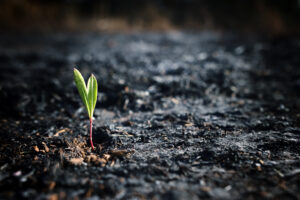
The Emotional Hurdles of Healing
This is something that isn’t talked about very often, the post traumatic aspect of healing from chronic illness. Once you have healed a part of you says I don’t want to go back to that, I won’t. So finding yourself in a similar position, or thrown into a situation where you are forced to remember old wounds, can be triggering. Being sick takes so much from you- time, energy, money, personal goals, and dreams. When there is so much living to do and your life becomes unrecognizable it is no wonder that the negative experiences find a way to stay with you.
Before my recent back injury I was active in the life of my family- three daughters and a husband- I ran my business, was making strides in my health through extended Advanced 3:6:9 cleanses, and all of that came to a sudden halt. Of course I am OK now, but it still shocks the mind to say the least!
Something I tell the members of my Intuitive Healing Community is that you can change your experience of PTSD by how you take care of yourself when you are triggered. For example, I could have pushed through all of these feelings of crumminess, tried to find a way to compartmentalize them, or soldiered on with my raw cleanse, but I knew that stepping back and taking care of myself was what I needed in that moment.
So that is what I did, I started to prioritize TLC and decided to stop judging myself. I stopped my raw cleanse and decided to focus on nourishing myself with healing foods instead. I took the pressure off regarding what I expected myself to get done, and knew that if I let myself take a step back I would be ready to take three more forward when I recovered.
Overcoming PTSD
PTSD creates a physiological response to past memories, there are different levels of intensity starting from mild hindrance to full-body physiological response (think harrowing experiences of war). You can treat the physiological aspect of PTSD with the right foods and supplements, and you can treat the mental and emotional hurdles of PTSD with the right self-care. Knowing when to reach out and ask for help is also a big one!
Last week, getting unstuck mentally and emotionally looked like changing the scene- if I cannot get up and move I will watch funny movies or shows, meditate on nature, look out of the window, take a relaxing bath, use essential oils just for a change of scent (which instantly helps me shift), and finding ways I can be productive by doing email or something else adjacent.

Additional Resources
A great resource of information regarding PTSD is the book Medical Medium Revised and Expanded by health author Anthony William- in there is a chapter on PTSD and how to recover from it complete with angels to call on and soul-healing meditations which help to restore your faith and build back trust. He also has an updated chapter on PTSD in Medical Medium Brain Saver and a supplement protocol list you can follow. Find more Medical Medium podcast meditations here and more information on PTSD here. I would recommend reading both chapters as this can be a healing experience in itself.
Physiologically, healing PTSD comes down to glucose and mineral salts (surprise!). You need both of these nutrients to cool down the response in your brain and nervous system. It is important to build up your glucose reserves so that your body has a buffer to these traumatic experiences. The Trauma, Shock, and Loss Stabilizer Shot is a great tool to use for this reason.
Try incorporating these healing foods:
- Raw honey
- Dates
- Mango
- Wild blueberries
- Melon
- Sweet potato
- Figs
- Papaya
- Persimmon
- Beets
- Tomatoes
- Bananas
- Oranges
- Tangerines
- Apples.
- Celery juice
- Mache
- Red leaf lettuce
- Cilantro
- Parsley
- Avoid dairy and eggs and keep radical fats to a minimum
Final Thoughts on Healing and Moving Forward
For my back pain, I used Ancient Minerals magnesium cream lotion, took extra magnesium glycinate, California poppy, curcumin, propolis, mullein, nettle and lots of lemon balm. I also used the matrix repatterining magnets on my back and within 48 hours, I was getting up and moving around. After I was better, I spent time outside in my garden and I prayed so many prayers of gratitude for bouncing back quickly.
I know that I am not the only one that experiences the mental and emotional hurdles of healing and there is comfort in knowing you are not alone. You don’t have to be fully recovered to know what this experience feels like, even just turning a sharp corner in your health can leave you with painful memories of where you used to be.
The more spiritual, emotional, and nutritional support you give yourself the farther you will go and the stronger you will become. Take this as your sign to take care of yourself even more when you are feeling triggered so that you can positively change your experiences of PTSD, and know that I am here for you!
To your health and happiness,
Muneeza
Ready to take your health journey deeper? In our Intuitive Healing Community, we focus on live group cleanses. With live Q&A, expert teaching calls, and ongoing support, you’ll gain practical tools and guidance for real transformation. It’s a supportive, affordable, and highly immersive experience designed to help you on your healing path. Learn more here.