
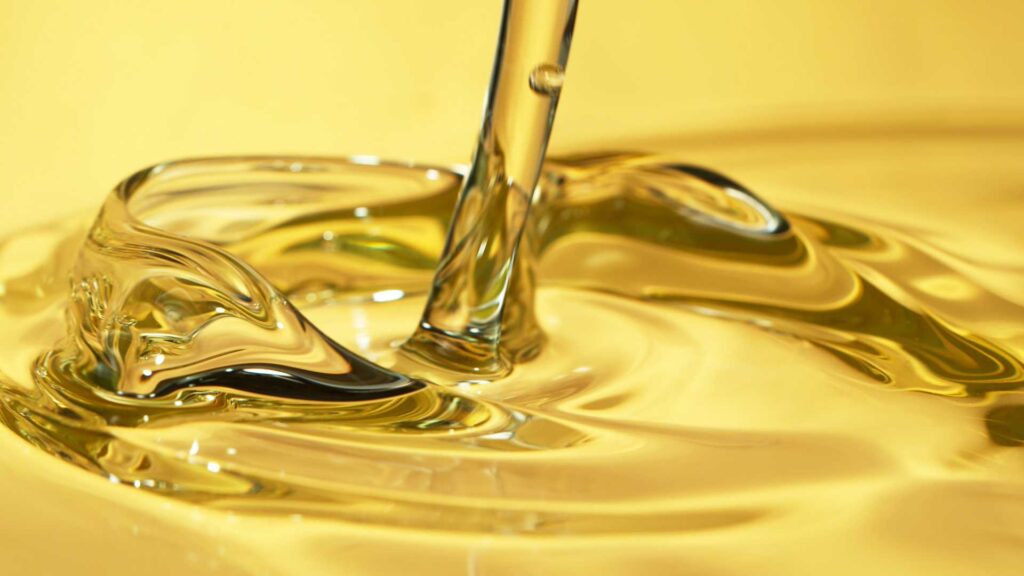
Rapeseed hails from the east, and is thousands of years old with orgins in India and Asia. In the 18th century it’s oil was used as lubricant for steam engines in Europe, then brought to Canada for development as an oil for human consumption where it would later become canola oil. As Canada is a major export of cooking oils they sought to develop rapeseed; it’s high levels of eurcic acid made it an undesirable cooking oil and feed for animals. Eventually they bred the plant to get to the point where it is at today and named it canola, an abbreviation for “Canada,” and the words “oil low acid.”
In 1996, Monsanto released 4 genetically modified rapeseed plants that were glyphosate, glufosate resistant, male infertility plants, and lastly with an altered fatty chain composition. It is an industrialized oil, meaning that the production of it has been industrialized to meet the needs of a wide berth of people, that has been genetically modified. From a Medical Medium® perspective, canola oil is a four-fold issue where you have started with a plant that inherently contributes to inflammation in the body, that is subsequently rendered alien and destructive through genetic modification, which then becomes even more toxic through industrialization, and lastly results in a completely foreign and radical substance to the body when used to fry food at high temperatures.
For reference, canola oil is listed as a level 3 troublemaker food in all Medical Medium® books. Troublemaker foods feed disease and chronic illness and make it harder to heal, and should be avoided if you don’t want to get sick. Level 1 troublemaker foods are gluten, dairy, eggs, soft drinks, and excessive salt consumption. Level 2 are pork products, tuna, and corn. If you are looking for a food that creates a hospitable environment for pathogens, raises histamine levels and inflammation, and acts like battery acid to your organs and digestive system, unfortunately canola oil is it and was created as such.
Industrial Food Oils
Industrial food oils include soybean oil, corn oil, palm oil, palm kernal oil, hydrogenated oils, margarin, canola oil (rapeseed), vegetable oil, safflower oil, and cottonseed oil. They are brain betraying foods in and of themselves, a term commonly used in Anthony William’s book Brain Saver:
- They stop electrolytes from getting to the brain and swallow up electrolytes
- Block passageways in the brain, plump, congeal, and cling to brain tissue. They interfere with neurons and neurotransmitters, and block nutrients from getting into the brain because they affect glucose absorption
- Cause fatty brain, atrophy, and brain deterioration. Like a diseased heart collecting fat deposits, industrial food oils shrink the brain and replace tissue with fatty deposits.
- Inflammation is a product of pathogen activity in the body, and these oils harbor and feed pathogens in the body
Frying and cooking these oils makes them even worse for you because they become even further denatured. After their industrialization they become rancid and denatured, once they are fried they become radically foreign to the body. These days you often see seed oils as marketed by health enthusiasts as toxic, but what you really have to look out for are industrial food oils. There are acceptable seed oils, such as sesame and sunflower oil, that I would recommend night and day over eating industrial oils such as corn, canola, soy, cottonseed, or palm oil.
Just because industrial food oils are originally derived from natural sources before they were industrialized- just because they’re not synthesized oils- does not mean our bodies invite them with open arms as a natural food source that the body can utilize and see as healthy. -Medical Medium Brain Saver Protocols, Cleanses, & Recipes pg. 137
Zeroing in on Canola Oil
Cannola is highly inflammatory because of its ability to create a protective barrier around Streptococcus, E. coli, and other unproductive bacteria that live in the gut. This food is a major disruptor to your brain and neurotransmitters, liver, pancreas, and digestive system. It feeds viruses in the liver and weakens cells there through destructive undiscovered chemical compounds. Canola oil stays up to 6 months in the liver after you have eaten it. Anthony William, the Medical Medium®, says that even a perfect, organic good-for-you meal where even the smallest amount of canola oil is used should be avoided.
Here are more reasons why canola oil is a health concern:
- Attacks your digestion – Can help bacteria live and grow in your gut, creating an inflamed gut-lining. When used in high quantities, canola oil can scar your digestive system due to the hospitable interaction it has with bacteria in your digestion. Contributes majorly to IBS when bacteria such as strep are present. Weakens digestion by stressing the pancreas and liver.
- Glucose inhibitor – The fat in canola thickens the blood, creates insulin resistance, and slows down glucose absorption, a major reason this is a brain betraying food. Inhibits healing foods from doing their job, critical clean carbohydrates are blocked from your body.
- Burdens the liver – Supports viruses in the liver. Thickens blood, blocking toxins from leaving the body.
- Accelerates chronic illness- Feeds bacteria, fungus, and mold
Avoid if you have these conditions due to canola oil’s toxic qualities: IBS or any gut-health related issue, migraines and headaches (can trigger migraines when there is a pathogen present), ADHD, shingles.
GMOs: Ruining Viable Foods
It is important to mention that genetically modified foods (also termed bioengineered) raise serious health concerns:
- Genetically modified foods feed pathogens and no longer fight them
- They act as brain disruptors. Instead of supporting the brain, they leave it vulnerable because they have no brain-strengthening qualities.
- GMO nutrients are man-made and foreign to the body, so we can’t convert them into usable nutrition
- They are toxic to our bodies and lower our immune system
- Triggers a histamine reaction in the body and heightens inflammation
- There is no definitive way to be sure you are eating non-GMO foods because cross contamination is so commonplace
- The liver cannot convert GMO nutrients to make them useable because they are foreign
Alternatives to Canola Oil
There are a lot of healthier oil alternatives that you can use than canola oil, these are listed in the book Medical Medium Brain Saver: Avocado, olive, coconut, almond, sunflower, walnut, sesame, macadamia, grape-seed, and flax. My Amazon pantry holds all of the cooking oils I personally recommend.
Be diligent when eating out by asking what types of oil restaurants use in their cooking, baking, frying, and presentation. If they use canola oil or an oil blend remember that the effects of that meal may not make it worth eating.
Oils are high in fat and should be used sparingly due to their ability to thicken the blood, burden the liver, and stop your body from cleansing. If you are healing from chronic illness especially limit your intake of oil to protect your brain and body, even the acceptable ones AW recommends, and always make sure they are high quality. Be sure to check out my food guide below, which only uses these oils.
To your health and happiness,
Muneeza
P.S Are you looking for more inspiration on your journey from the Standard American Diet? I have created The Ultimate Clean Food Guide, a FREE DOWNLOAD, with all of the Medical Medium® friendly foods I recommend. I cover everything from burgers, bread, pancakes, to dessert, canned food, pre-made meals, and healthy junk food. Everything that I recommend in this food guide uses Medical Medium® approved cooking oils.